Wildfire Prevention and Wildlife Protection
Wildfire preparedness guides focus on protecting homes and families. However, it’s also crucial to learn ways to keep local wildlife safe. Communities use different strategies to prevent wildfires, support their ecosystems, and continue protecting the environment after a fire.
Learn how you and your family can help.
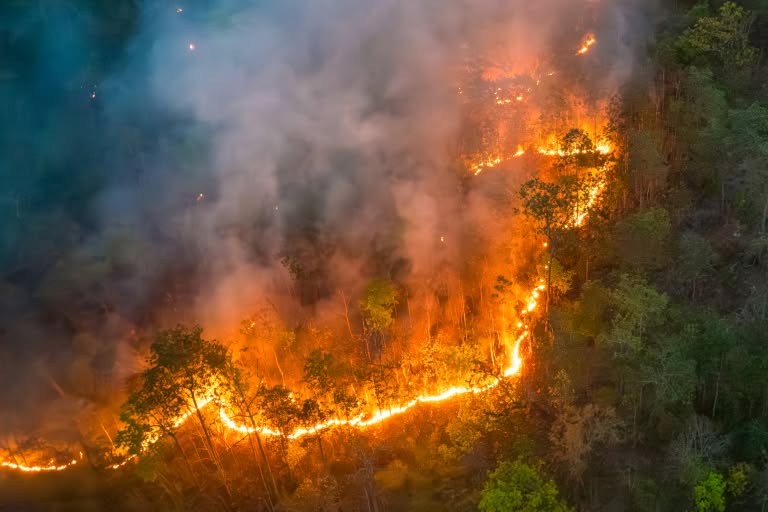
How Wildfires Affect Wildlife
Some animals can avoid wildfires with their speed or smell, but many don’t escape the blazes in time. Even if they do, they may not be able to return due to the damage.
Wildfires hurt animals in several ways:
- Animals become injured
- Habitats burn beyond use
- Vulnerable species die
Learning how wildfires affect animals could help you understand the extent of a fire’s ecological damage. You’ll also know why protection measures support wildlife populations in specific ways.
Animals Become Injured
Wildlife can become hurt long before a fire arrives. The intense heat and smoke may cause extensive damage as firefighters get a nearby fire under control.
Animals get injured during wildfires by:
- Airborne pollutants that clog their lungs while they run away
- Cars that hit them as people evacuate the same area
- Flames that burn animals running from the wildfire
- Heat that melts the roads and burns their feet
- Smoke that makes it difficult to see during their escape
- Trees and buildings that fall on them
The chaos surrounding a wildfire can reduce much-needed animal populations. If they’re unable to escape the fires, wildlife can’t restore itself after finding new habitats in unaffected areas.
Habitats Burn Beyond Use
Wildfires use dry foliage as fuel, destroying habitats and preventing animals from returning. They may not come back if they can’t find cover, shelter, or food sources.
Here are some ways wildfires hurt habitats:
- Ash pollutes water sources and changes where animals find drinking water
- Charred land causes soil erosion, slowing the return of plant life
- Ground-level vegetation that small animals rely on for cover and foraging may not grow back for some time after a severe fire
- Pollinators can’t access native plants to support the pollination cycle
- Trees lose their branches and leaves, eliminating nesting areas for birds and shelter for mammals
Restoration strategies may help habitats recover from intense fires. The challenge is helping nearby communities return to daily life, so people can engage in conservation efforts after a wildfire.
Vulnerable Species Die
Animal populations can bounce back from large-scale loss. However, if extreme wildfires become more frequent, wildlife may not have time to repopulate.
These are some of the most at-risk species in America:
- California spotted owl: These large birds help manage the small animal population within California and Nevada’s forests. Severe wildfires are considered the owl’s biggest threat.
- Fisher: The small mammal looks like a combination of a cat and a bear. It’s also one of the few predators keeping porcupine populations under control. Like the spotted owl, large-scale wildfires pose a huge risk to fishers.
- Foothill yellow-legged frog: This amphibian needs its native streams to lay eggs once a year. If the streams are polluted by ash and other toxins from fires, the insect-eating frogs may become endangered.
A 2026 Nature Climate Change report found that intensifying wildfire seasons will increase the risk of losing 9,592 animal species.
Losing any animal species has widespread effects on the food chain. People can help them by understanding how fires affect local wildlife and what they may need to recover after an intense burn.
Common Sources of Human-Caused Wildfires
Human activities start 80% of wildfires in the United States. Some people don’t mean to start fires, while others intentionally ignite them.
Here are some ways humans start wildfires:
- Burning debris
- Committing arson
- Discarding cigarettes improperly
- Lighting fireworks
- Mismanaging campfires
- Starting prescribed burns
- Using heavy equipment
When human-caused wildfires devastate communities, residents may qualify for a wildfire lawsuit. Compensation can help people rebuild after devastating loss, so they can return to daily life and give back to the environment.
Burning Debris
People burn yard waste and agricultural debris for many reasons. If a small burn occurs in windy or dry conditions, floating or lingering embers could start a wildfire.
Check your state’s fire season to understand when you may be able to burn debris at home. If you’re aware of the risks and ensure you’re not close to dry foliage, you can prevent a wildfire, protect the environment, and still manage your land.
Committing Arson
Arson is any malicious or willful attempt to burn property, with or without the intent to commit fraud. The U.S. Department of Justice found that arson began to decrease in 2022, but there were still 65,795 offenses committed in 2024.
Arsonists may not specifically intend to ignite a wildfire, but dry conditions and wind can cause a fire to get out of control. The ecosystem and community members don’t deserve to suffer because of one person’s illegal activities.
Discarding Cigarettes Improperly
Lit cigarettes discarded on roadsides or around dry vegetation can spark wildfires. They only need to come into contact with an ignition source to start an inferno.
Even “fire-safe” cigarettes designed to self-extinguish can potentially start wildfires. It’s best to dispose of cigarettes in liquid to eliminate the chance of a fire.
Lighting Fireworks
Fireworks are a common way to celebrate momentous occasions, but they pose a fire risk. If fireworks malfunction when ignited, they may explode too close to the ground and set vegetation or buildings on fire.
The National Fire Protection Association found that fireworks started 32,302 fires in 2023. While not all of those were wildfires, the ecosystem is still at risk when buildings or personal property go up in flames.
Mismanaging Campfires
Campfires can have lingering embers long after people try to extinguish them. They may also burn unattended, which can ignite a wildfire if they grow out of control.
Colorado’s 2024 Twin Lakes Fire started after an abandoned campfire’s embers burned for a day or two before people reported smoke in the area. They don’t always start wildfires immediately.
Starting Prescribed Burns
Prescribed burns, also known as controlled burns, are planned fires set by experts under specific weather conditions. Fire can help ecosystems become healthier by removing overcrowded foliage and flammable fuels that have built up over time.
If unexpected weather changes occur, strong winds may carry embers from controlled fires onto other forest or grassland areas. A wildfire may start if the on-scene experts can’t extinguish the flames quickly.
Using Heavy Equipment
Vehicles and outdoor power equipment are common sources of wildfire ignitions. Sparks from trailers, construction machinery, and lawn equipment can ignite dry roadside vegetation or grasslands in seconds.
If landscaping or construction happens in a rural area, the professional team may not be near a fire station. They might also not have a fire extinguisher available if it’s not a standard part of their on-site inventory.
Land Stewardship Strategies That Protect Ecosystems
Adding land stewardship strategies to your wildfire preparedness efforts could reduce your community’s fire risk. You’ll support your local environment by working together to help plants and animals.
Add Native Plants
Native plants naturally occur in your region. If you live where there’s a long history of wildfires, your native plants likely include some fire-adapted species.
Adding more fire-adapted plants to your town could help it become resistant to active burns. The plants have evolved to regenerate quickly after fires pass through, so they may better support the environment than plants that take years to recover.
Fire-adapted plant species include:
- Cypress trees
- Douglas fir trees
- Marl prairie grass
- Ponderosa pine trees
- Saw palmetto trees
- Sawgrass
“While recovery can occur naturally, it may take decades or even centuries. Tree planting and other interventions can accelerate forest growth after fires, especially where forests have been severely damaged or natural regeneration is not possible.”
— World Resources Institute
Check with local conservation organizations to see which plants are native to your region. If you add them to residential areas, public parks, and community gardens in accordance with local guidelines, your ecosystem could spring back from wildfires faster as they get more frequent.
Manage Vegetation Strategically
People can work together to manage flammable debris and create defensible spaces. If you work strategically with your local vegetation, your efforts may support local wildlife and reduce your risk of fires.
Here are some vegetation management strategies:
- Conducting routine landscaping to remove combustible debris
- Helping enforce landscaping codes in high-risk areas
- Removing invasive plant species that haven’t adapted to wildfires
- Scheduling prescribed burns with trained experts
- Thinning foliage around communities with landscaping equipment
Talk with local fire and conservation leaders to discuss which strategies are best for your region. The most effective options that are worth your time will change depending on what grows in your community.
Keep Water Sources Clean
Monitoring your local water sources before and after a wildfire is crucial. You’ll develop habitats for animals displaced by nearby fires and resources to maintain long-term water quality for your community.
Talk with local leaders about water stewardship strategies like:
- Create a reporting system for community members to report well water pollution after fires
- Develop watershed health evaluation plans to test water sources after fires
- Install mechanical water treatment equipment if needed
- Reduce sediment flow in at-risk areas
- Schedule routine water testing in local rivers and lakes to measure baseline water quality levels
If your community has filtration and protection measures in place, you may be able to remove pollution from water sources faster. You could also prevent issues like sediment displacement by identifying your most at-risk areas before a fire starts.
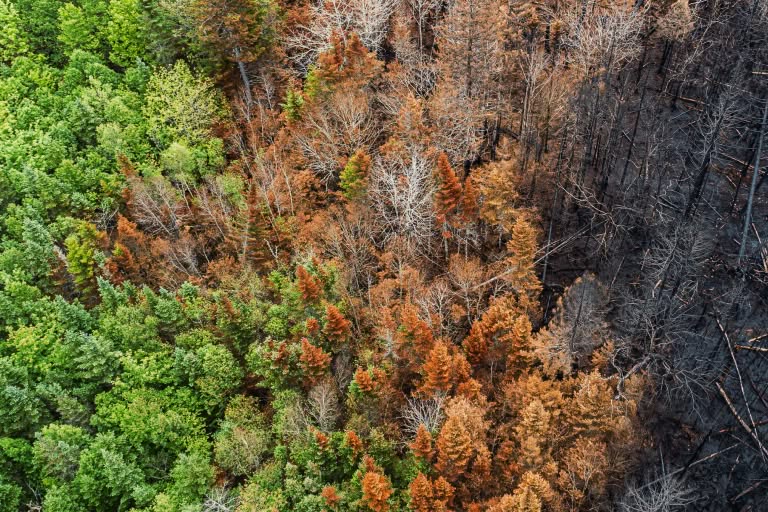
How to Help the Ecosystem After a Wildfire
Protecting wildlife and the environment after a fire is crucial to your region’s recovery. While some plants can regrow after extreme wildfires, your actions can help the surrounding ecosystem recover, too.
Talk with your community about wildfire response plans, including:
- Disposing of debris properly to avoid extra water, land, or air pollution
- Minimizing vehicle use in burned areas to reduce soil disturbance
- Planting native or fire-adapted plants in affected areas to aid regrowth
- Removing burned debris to clear spaces for new vegetation or animal migration
- Reporting injured wildlife to support their population recovery
- Resisting the urge to feed wildlife so they find new habitats faster
Many wildfire prevention strategies are helpful after firefighters get an active burn under control. If your community returns to water purification efforts, vegetation management, and prevention strategies, you’ll help the ecosystem return to a vibrant state.
Become a Leader in Wildfire Prevention and Response
Anyone can advocate for wildfire prevention and wildlife protection strategies in their communities. Talk with local leaders and conservationists to see how you can help.
If you or someone you love has been affected by a wildfire caused by human activity, pursuing a wildfire lawsuit could help you rebuild. You may be eligible to seek compensation for your losses, which could cover your essentials so you can focus on wildfire recovery efforts.
Get a free case review or call (866) 866-0753 to speak with our team about your legal rights.

Written by: Fire Help Center
Fire Help Center was founded to support individuals and families affected by wildfire-related loss and disaster. Our mission is to provide clear, reliable resources that help people navigate recovery, prevention, and preparedness strategies. We work to ensure no one has to face the aftermath of a wildfire alone.
- American Veterinary Medical Association. (n.d.). Wildfire smoke and animals. Retrieved from: https://www.avma.org/resources/pet-owners/emergencycare/wildfire-smoke-and-animals.
- Backpacker. (July 2024). Colorado’s Twin Lakes are on fire. A poorly extinguished campfire is likely to blame. Retrieved from: https://www.backpacker.com/news-and-events/news/abandoned-campfire-twin-lakes-fire/.
- Federal Bureau of Investigation. (September 2018). Arson. Retrieved from: https://ucr.fbi.gov/crime-in-the-u.s/2017/crime-in-the-u.s.-2017/topic-pages/arson.
- Friends of Plant Conservation. (n.d.). Prescribed burning. Retrieved from: https://www.ncplantfriends.org/prescribed-burns.html.
- National Fire Protection Association. (n.d.). Fireworks safety. Retrieved from: https://www.nfpa.org/education-and-research/home-fire-safety/fireworks.
- National Park Service (August 2025). Fire adaptation. Retrieved from: https://www.nps.gov/teachers/classrooms/fire-adaptations.htm.
- Oregon State University. (July 2025). Steps to reforestation success after wildfire. Retrieved from: https://extension.oregonstate.edu/catalog/em-9561-steps-reforestation-success-after-wildfire.
- U.S. Department of Agriculture Forest Service. (2013). The effects of wildfire prevention activities. Retrieved from: https://research.fs.usda.gov/treesearch/45880.
- U.S. Department of Agriculture Forest Service. (December 2023). Species in peril. Retrieved from: https://www.fs.usda.gov/about-agency/features/species-peril.
- U.S. Department of Agriculture Forest Service. (June 2025). Can “fire safe” cigarettes start wildfires? Retrieved from: https://research.fs.usda.gov/firelab/articles/can-fire-safe-cigarettes-start-wildfires.
- U.S. Department of Justice Federal Bureau of Investigation. (June 2025). Arson offenses: 2015-2024. Retrieved from: https://cde.ucr.cjis.gov/LATEST/resources/reports/Arson%20Offenses%202015-2024.pdf.
- U.S. Fish & Wildlife Service. (n.d.). Thinning, prescribed fire, and managing wildfire for resource benefit. Retrieved from: https://www.fws.gov/project/thinning-prescribed-fire-and-managing-wildfire-resource-benefit.
- Washington Native Plant Society. (October 2013). Plant adaptations and fire. Retrieved from: https://www.wnps.org/blog/plant-adaptations-and-fire?tmpl=component&print=1&format=print.
- Western Fire Chiefs Association. (July 2022). What causes wildfires? Retrieved from: https://wfca.com/wildfire-articles/what-causes-wildfires/.
- World Resources Institute. (April 2026). Can forests withstand and recover from wildfires? Retrieved from: https://www.wri.org/insights/forests-wildfire-recovery.
- Yang, X., Urban, M. C., Su, B., Zhong, Z., Wu, C., & Chen, D. (2026). Wildfire risk for species under climate change. Nature Climate Change. Retrieved from: https://doi.org/10.1038/s41558-026-02600-5.