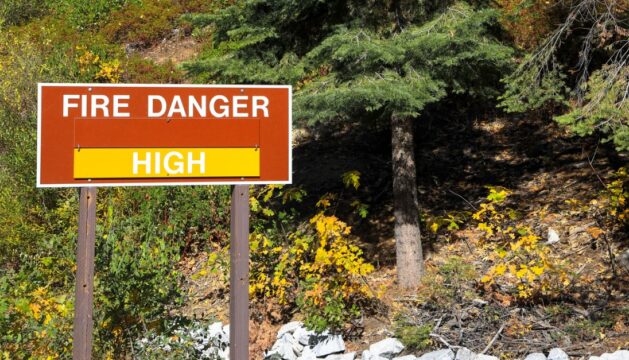
2026: The Most Destructive Wildfire Season in a Decade
The 2026 wildfire season has burned more land than any fire season in the past 10 years,...
Read More →
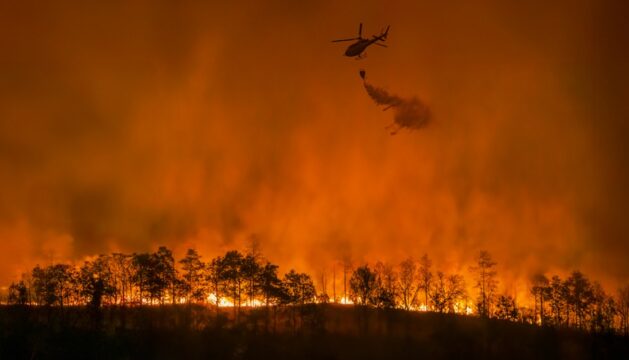
When an out-of-control wildfire is raging, you may find yourself wondering — how long do wildfires last? They can burn for hours, days, weeks, or even months, depending on the fire’s conditions.
Understanding those factors can help explain why some fires are contained quickly while others continue burning for weeks. Either way, you may feel better prepared by understanding how long they often last.
There’s no standard countdown clock for a wildfire. From the moment a fire ignites, the surrounding environment shapes it. Those factors affect how long wildfires last.
Three of the biggest influences on wildfire behavior are weather, fuel, and topography. A fire burning through dry vegetation during hot, windy weather can behave very differently from a fire receiving rainfall or encountering an area with little left to burn.
Factors that may affect a wildfire’s duration include:
This is also why the size of a fire alone cannot tell you how long it will last. A smaller wildfire under extreme wind conditions may present enormous challenges, while changing weather can help crews make rapid progress on a larger fire.
If a recent wildfire injured you, damaged your property, or caused other significant losses, you may have questions that continue long after the flames are contained. Fire Help Center can help you understand your legal options and connect you with support resources after a wildfire.
Talk with us today to learn more.
Every wildfire needs a catalyst, also known as an ignition source. Some begin naturally, most commonly through lightning. Many others are started by human activity, from improperly discarded cigarettes to gender reveal parties gone wrong.
According to the National Park Service, nearly 85% of wildland fires in the United States are caused by humans. Human-caused fires can be accidental, negligent, or intentional.
Common causes of wildfires include:
Once ignition occurs, the surrounding conditions determine how long a wildfire lasts. A spark may not automatically become a major wildfire, but when that spark meets abundant dry fuel, low humidity, high temperatures, or strong winds, a small fire can spread rapidly.
For people living in wildfire-prone areas, knowing how fires start is only one part of preparation. Our Wildfire Preparedness Guide explains how to create an evacuation plan, prepare a go-bag, reduce risks around your home, and plan for the needs of children, older adults, pets, and other household members.
Understanding how to stop wildfires starts with deciding if you’re preventing fires from starting or stopping an active wildfire from spreading.
Prevention includes reducing human-caused ignition risks and managing fuels, while suppressing an active wildfire requires firefighters to respond to the conditions of that particular fire, establish containment, protect communities, and ultimately extinguish it.
Depending on the wildfire, suppression efforts may include:
Controlling or extinguishing a wildfire can take considerably longer than expected. Hidden heat and smoldering material can remain after visible flames disappear, or changing weather conditions can rekindle partially doused embers.
You don’t have to hope that you catch breaking news headlines if a wildfire ignites near your home. Use our Live Wildfire Map to see how long active wildfires are lasting near you. People in any state can track active fire perimeters, satellite hotspots, smoke, and other details before, during, or after a wildfire.
The January 2025 Los Angeles wildfires show just how much can happen while a wildfire lasts and which factors make them burn longer.
On January 7, 2025, at approximately 10:30 a.m., the Palisades Fire began when an out-of-service transmission tower owned by Southern California Edison had an electrical arc. Evacuation warnings started a little more than an hour later, followed shortly by mandatory evacuation orders.
By the time California Governor Gavin Newsom declared a state of emergency that day, the Palisades Fire was already destroying 1,200 acres. High winds contributed to dangerous conditions, and firefighting aircraft were grounded that evening because of the wind.
The California wildfire continued expanding rapidly, as conditions and firefighting strategies changed over the following days. An independent Fire Safety Research Institute analysis later described the Southern California fires as being fueled by a combination of extreme winds, low relative humidity, and drought-stricken vegetation.
Both the Palisades and Eaton fires were ultimately listed as 100% contained on January 31 — 24 days after they began. The Palisades Fire burned more than 23,000 acres, while the Eaton Fire burned more than 14,000 acres.
This timeline demonstrates why figuring out how long wildfires last can be complicated. The most dramatic period of fire growth may happen within hours, but containment can take days or weeks. Meanwhile, evacuations, deaths, property loss, hazardous air quality, and infrastructure damage can devastate a community.
If you’ve been harmed by these wildfires or others caused by negligence, you may be able to pursue compensation. Talk with our team today and we’ll connect you with a wildfire lawyer if you’re eligible.
No matter how long a wildfire lasts, it can leave families dealing with extreme loss. They may have lost their homes, experienced severe injuries, and lost employment if their workplaces burned too.
When negligence by a person, utility, corporation, or another party contributed to a wildfire, survivors may have legal options. A wildfire attorney can review what happened and help determine whether there may be grounds to pursue compensation.
Depending on the circumstances of your case, a wildfire lawyer may be able to:
The length of a wildfire may be measured in hours, days, weeks, or months. The consequences for the people caught in its path can last much longer.
Fire Help Center provides information and support to people affected by wildfires. Call (866) 866-0753 or get a free case review to learn more about your options.

Written by: Fire Help Center
Fire Help Center was founded to support individuals and families affected by wildfire-related loss and disaster. Our mission is to provide clear, reliable resources that help people navigate recovery, prevention, and preparedness strategies. We work to ensure no one has to face the aftermath of a wildfire alone.

