7 Million LA County Residents Exposed to Toxic Metals in Wildfire Smoke, Study Finds
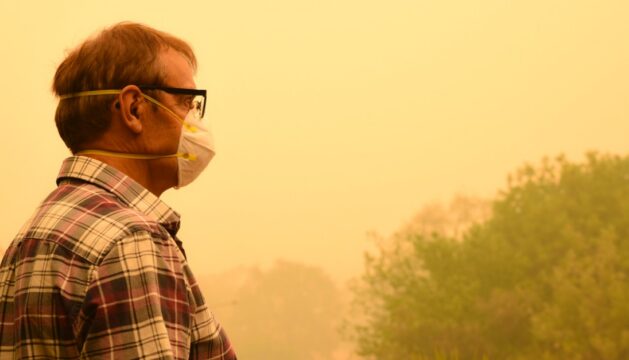
Smoke from the January 2025 Eaton Fire exposed about 7 million people in Los Angeles County to high levels of airborne lead and other toxic metals, according to new research published by The Spokesman-Review.
Over 24 hours, the smoke contained 80 times the lead normally found in the air. The plume eventually reached about 70% of the county’s population.
Learn more about what the researchers found, why toxic wildfire smoke from burning homes matters, and what the findings could mean for people far from a burn zone.
What Did the Study Find About Toxic Wildfire Smoke in Los Angeles?
Researchers found that smoke from the Eaton Fire carried dangerous levels of toxic metals far beyond the burn zone. The fire destroyed more than 9,400 buildings and killed 19 people in the Altadena area of California.
The new Science Advances study is the first to measure the chemical makeup of wildfire smoke in real time during an urban firestorm. Scientists say the metals came from burning homes, electronics, vehicles, and infrastructure.
Key findings from the study include:
- Arsenic and other toxins: Sensors detected highly elevated levels of arsenic and other harmful substances.
- Lead levels: Smoke over a 24-hour period contained 80 times the lead normally found in the atmosphere.
- Population exposed: The plume covered eastern LA and the San Gabriel Valley and affected about 70% of the county’s population.
Inhaling toxins and heavy metals can lead to long-term chronic health conditions like cancer, lung disease, heart problems, and more. Compensation from a wildfire lawsuit could help people pay for their ongoing medical care.
Get a free case review today to explore your legal rights.
- Pursue Wildfire Compensation
- No Upfront or Hourly Costs
- Find Wildfire Lawyers Near You

Why Is Wildfire Smoke From Burning Homes So Dangerous?
Toxic wildfire smoke from burning homes is dangerous because it can carry heavy metals like lead and arsenic into the air. Lead is a neurotoxin linked to a range of health effects and is especially harmful to children.
The short-term side effects of airborne toxins, however, remain largely unknown.
“The hope is that with these real-time measurements, we can better understand and characterize the health impacts of these short-term exposures,” said Nga Lee Ng, a co-author on the Science Advances study.
How Did Researchers Track Toxic Wildfire Smoke From the Eaton Fire?
Researchers tracked the toxic smoke using a sensor network that went online months before the fire started. The Atmospheric Science and Chemistry Measurement Network (ASCENT) has stations across the country, and one Los Angeles site was downwind of the Eaton Fire.
The network let scientists watch how the smoke’s toxic makeup changed as the fire burned. That could help health researchers pinpoint the effects of urban firestorms.
The site couldn’t collect data on the Palisades Fire, which ignited hours earlier about 34 miles away, because of the wind direction. That means the study only captures part of the picture, and more research is needed.
What Does the Wildfire Smoke Study Mean for Evacuations?
The study suggests that toxic wildfire smoke can put people at risk even if they live far from the flames. Lead author Haroula Baliaka said the results should push policymakers to rethink evacuation strategies, and that smoke exposure zones could become part of evacuation planning.
Baliaka also noted that urban wildfires are not a one-time event, and that communities need to prepare sooner rather than later.
When evacuation orders come down, older adults and their caregivers face obstacles that many families aren’t prepared for,” said Ricky LeBlanc, managing attorney of Sokolove Law. Packing a go-bag can help people of all ages stay safe and evacuate quickly when the time comes.
What Can You Do About Toxic Wildfire Smoke Exposure?
Health agencies commonly recommend taking steps to limit exposure when smoke is present, especially for children and people with health conditions.
Here are some steps to take after toxic smoke exposure:
- Check air quality: Monitor local air quality reports before spending time outside.
- Clean with care: Use damp cloths or a HEPA vacuum instead of dry sweeping, which can stir up settled ash and dust.
- Document symptoms and expenses: Keep a record of your symptoms, medical visits, and smoke-related costs.
- Limit time outdoors: Stay inside with windows closed when smoke levels are high.
- Run air filtration: Use a HEPA air purifier indoors if you have one.
- Talk to a doctor: Ask a medical professional about your family’s risks, especially for young children.
- Wear a respirator outdoors: A well-fitted N95 mask can help when you can’t avoid going outside.
You may have options if you develop health conditions after inhaling toxic wildfire smoke. Our team is ready to listen to your story and help you understand your legal rights.
- Pursue Wildfire Compensation
- No Upfront or Hourly Costs
- Find Wildfire Lawyers Near You
Toxic Wildfire Smoke Exposure: What the LA Study Means for Wildfire Victims
Future wildfires will likely continue exposing people to lead and other toxic metals. While researchers may continue studying related health effects, people can prepare themselves and their families for what might come after their exposure.
If a negligence-caused wildfire was the reason you or your loved ones inhaled chemicals or metals, we may be able to help you seek compensation.
Our team can help you:
- Find wildfire lawyers near you
- Access support resources and see if you have a case
- Collect evidence and file your wildfire lawsuit before any legal deadlines pass
- Seek financial compensation to help you heal, rebuild, and move forward after wildfire losses
Get a free case review or call us at (866) 866-0753 to get legal support and learn about your options after a wildfire.

Written by: Fire Help Center
Fire Help Center was founded to support individuals and families affected by wildfire-related loss and disaster. Our mission is to provide clear, reliable resources that help people navigate recovery, prevention, and preparedness strategies. We work to ensure no one has to face the aftermath of a wildfire alone.
- Baliaka, H. D., Ward, R. X., Raffuse, S. M., et al. (October 28, 2026). Fire at the boundary: Airborne toxic metals from the 2025 Los Angeles urban firestorm. Retrieved from: https://www.science.org/doi/10.1126/sciadv.aei4455.
- Jaishankar, M., Tseten, T., Anbalagan, N., et al. (n.d.). Toxicity, mechanism and health effects of some heavy metals. Retrieved from: https://reference-global.com/article/10.2478/intox-2014-0009.
- NBC News. (August 5, 2026). Utility’s idle transmission tower caused 2025 Eaton Fire, which killed 19, L.A. County officials say. Retrieved from: https://www.nbcnews.com/news/us-news/utilitys-idle-transmission-tower-caused-2025-eaton-fire-killed-19-la-rcna590925/.
- The Spokesman-Review. (October 28, 2026). LA wildfire smoke exposed 7 million to dangerous toxic metals. Retrieved from: https://www.spokesman.com/stories/2026/oct/28/la-wildfire-smoke-exposed-7-million-to-dangerous-t/
- U.S. Environmental Protection Agency. (October 14, 2026). Learn about lead. Retrieved from: https://www.epa.gov/lead/learn-about-lead